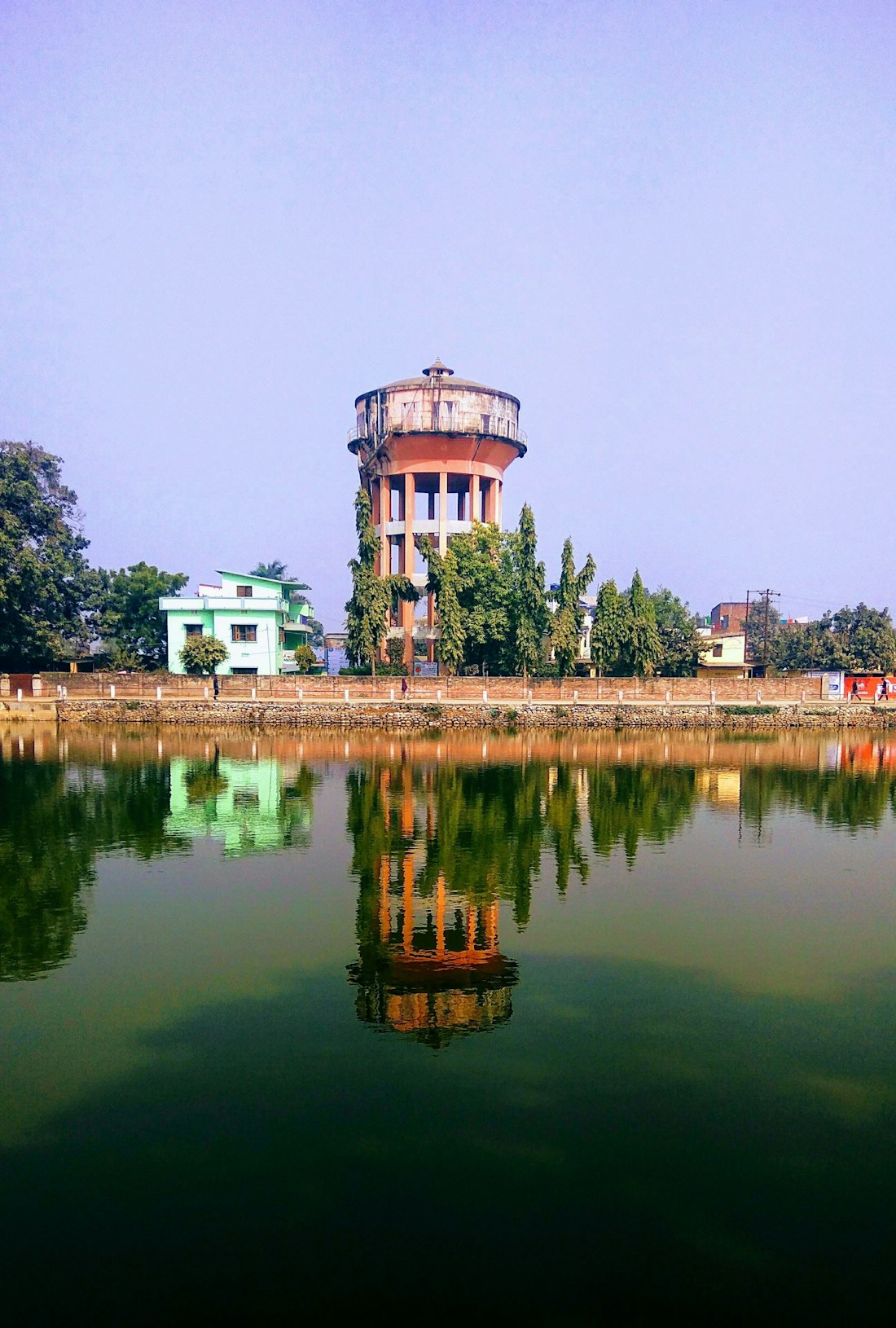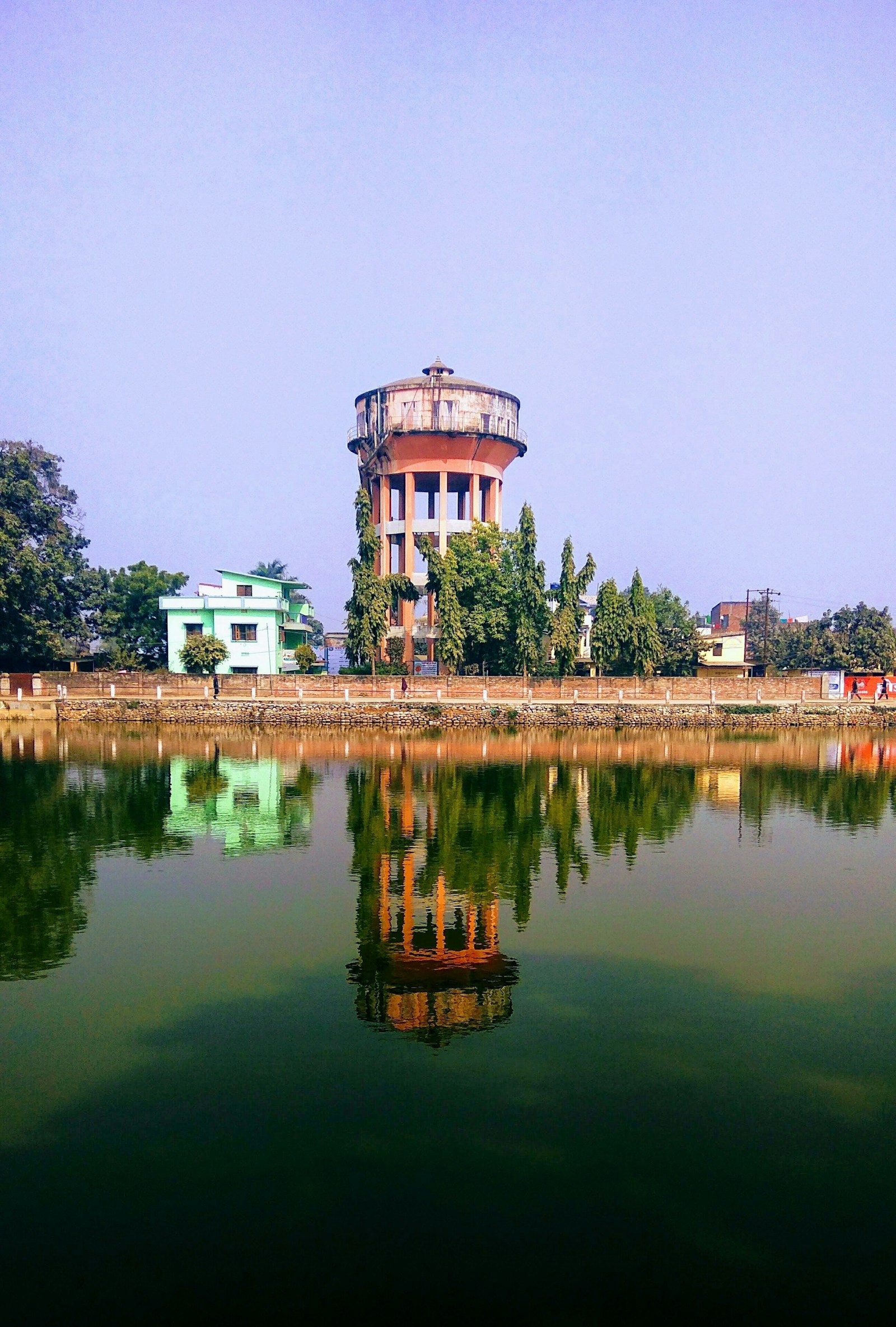
The pond, in our part of the world, has been treated as a common — a resource without a custodian. Drained when convenient, restocked when remembered, harvested whenever a buyer turned up at the village edge with a cooler box and a price. The result, three generations on, is the predictable one: shallower water, narrower fish, broader claims of provenance, and a kitchen that no longer trusts what is set down on it.
This essay is an argument against that drift. We make it not as a market thesis — though it is also that — but as a proposition about the cultural place of fish in Bengal, and the household's standing to demand better.
A premise we have stopped questioning
Industrial aquaculture has a tidy logic. Density, antibiotic prophylaxis, formulated feed, fast turnover. The arithmetic works on a balance sheet and breaks on a plate. A kilo of katla raised this way carries the same name as the fish your grandmother knew, but very little else of it: not the flesh, not the fat profile, not the smell of the gill when it is fresh.
“A kilo of katla raised industrially carries the same name your grandmother knew, but very little else.”
The household has been asked, quietly and without consultation, to revise downwards what it expects. We think the household should refuse.
Stewardship as luxury, not extraction
Stewardship is the practice of caring for a pond as one cares for a vineyard, or a tea garden, or any other place whose output is bound up with how it is kept. It is slow. It is measured. It is — in money terms — expensive on the front end, because keeping a pond honest costs more than mining it once.
- Water tested weekly across eleven parameters, not annually for compliance.
- Feed traced back to the mill, the batch and the analyst who signed for it.
- Stocking densities limited so the fish can mature, not merely grow.
- Harvests handled by the same family across the year — quiet, trained, paid fairly.
The household as the unit of change
Restaurants, however thoughtful, are not enough. The unit of cultural change in Bengal is the household. It is in the kitchen of the family — where macher jhol is cooked four times a week, where the fishmonger is judged on three minutes of look-and-smell — that standards are made and lost.
The Pond Club exists to put that judgement back in the hands of the household: by naming the pond on the QR tag, by capping the day's harvest, by serving you a fish that earns the price it asks for.
A quiet renaissance
We are not the first to attempt this — only the most public about doing it well. Across Bengal there are stewards quietly running honest ponds, families who have refused to switch, scientists who have published water indices the industry pretended not to read. This essay is in their company.
A renaissance does not arrive with a slogan. It arrives one pond, one family, one Sunday lunch at a time. That is the renaissance we are working in.
- Industrial aquaculture and reserve stewardship produce different products with the same name.
- Restraint, measurement and traceability are the three commercial commitments of a reserve.
- The household, not the restaurant, is the unit of cultural change in Bengali fish.
- A reserve pond yields ~40% less flesh per acre — and earns 2-3× the wholesale rate.